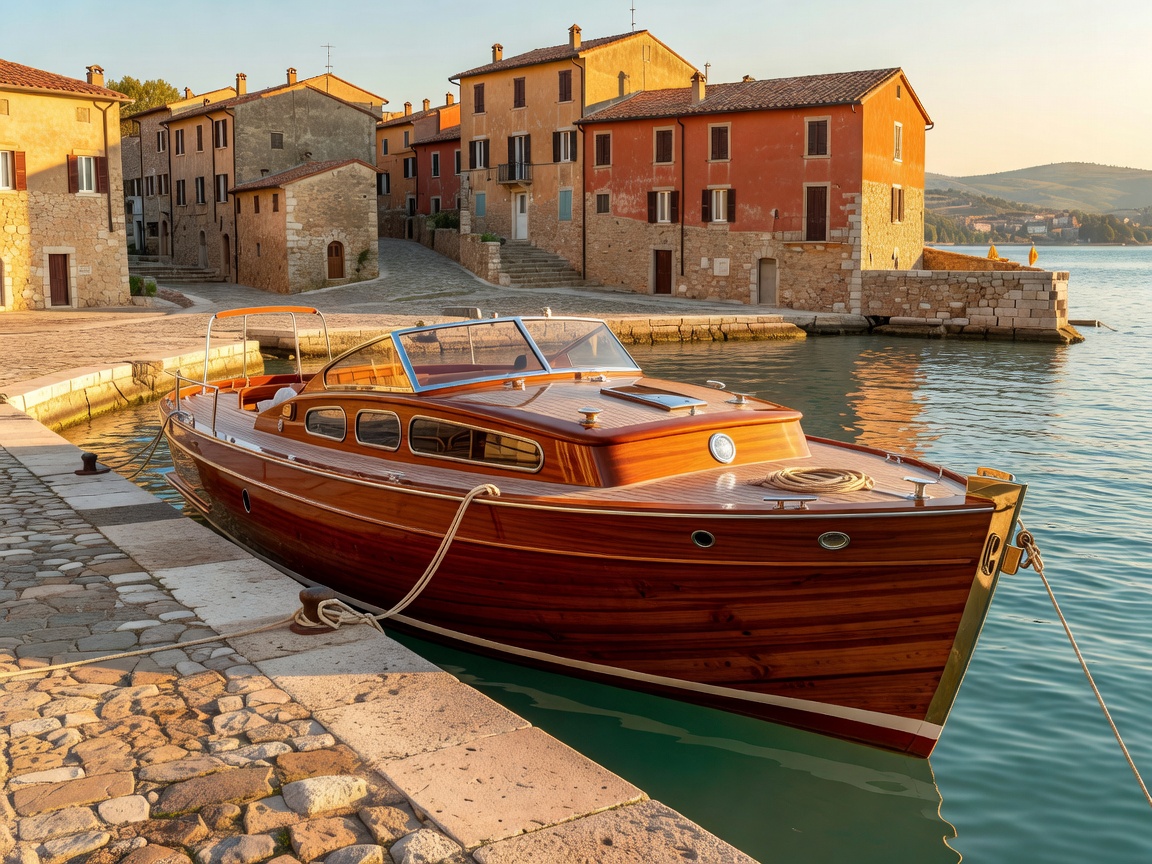
Viareggio is synonymous with large yacht construction, and the town's shipyards and suppliers have fostered a deep pool of marine trades along the Tuscan coast: carpenters, engineers, upholsterers, painters and riggers. For a buyer of an older, affordable boat, that ecosystem is arguably more valuable than any single listing. It means repairs, refits and restorations can be sourced locally, and surveyors familiar with a wide range of builds are within easy reach.
Our listings include older yachts across Italy below €100K, many currently between roughly €19K and €58K. In Tuscany, that band covers older sailing yachts, motor cruisers from the 1980s and 1990s and, occasionally, classic wooden boats awaiting restoration. The last category can be deeply tempting, which is why a clear-eyed budget matters more here than almost anywhere else.
Harbours along the coast
From north to south: Viareggio, with its shipbuilding heritage; Marina di Pisa at the mouth of the Arno; Livorno, a major commercial port with leisure basins; Castiglione della Pescaia and Punta Ala on the Maremma coast; and Porto Santo Stefano and Cala Galera on the Monte Argentario promontory. Offshore, Portoferraio is the principal harbour on Elba.
| Harbour | Character | Buyer notes |
|---|---|---|
| Viareggio | Shipbuilding and refit centre | Easy access to trades for quotes and surveys |
| Marina di Pisa & Livorno | River mouth and commercial port | Good transport links for viewings |
| Castiglione della Pescaia & Punta Ala | Maremma coast marinas | Leisure-focused, seasonal market |
| Porto Santo Stefano & Cala Galera | Monte Argentario promontory | Classic boat culture; sheltered bases |
| Portoferraio, Elba | Island harbour | Island logistics add cost to surveys |
Classic boats: the economics of restoration
With an older wooden or early GRP classic, the purchase price is frequently the smallest line in the budget. Replacing planking, refastening, recaulking, rewiring, re-engining and refinishing brightwork can each cost more than the boat itself. Restoration can be enormously rewarding, but only when it is planned rather than discovered.
- Get quotes before an offer. Tuscany's trades make it realistic to obtain estimates from shipwrights and engineers before committing.
- Separate structure from cosmetics. Varnish can be redone; rot in frames, keel or deadwood is a structural project.
- Plan the berth for the work. A restoration may need months in a yard shed, which carries its own cost.
- Keep records. Documented work adds long-term value and reassures future buyers.
Cruising the Tuscan Archipelago
The Parco Nazionale dell'Arcipelago Toscano covers islands including Elba, Giglio, Capraia, Pianosa, Gorgona, Giannutri and Montecristo. Parts of the park carry navigation, mooring and anchoring restrictions, and access to some islands is tightly controlled. If island cruising is your goal, read the park authority's current rules before choosing a boat and planning itineraries.
Advantages
- Exceptional access to refit and restoration skills
- Occasional classic boats with genuine character
- Protected island cruising on the doorstep
- Easy to gather independent quotes before buying
Drawbacks
- Restoration costs can dwarf purchase prices
- Popular marinas command high seasonal fees
- Park rules limit some anchorages
- Island-based boats add travel and logistics
Tuscan buyer's checklist
- Decide whether you want a boat to use now or a project to restore.
- For classics, obtain structural and mechanical quotes before negotiating.
- For boats built after mid-1998 in the EU, ask for CE documentation under the Recreational Craft Directive.
- Confirm registration status and proof of ownership.
- Check park regulations if you plan to cruise the archipelago.
We provide guidance and criteria; we do not inspect or value boats, and listing details must be confirmed with the seller or broker. To talk through a project, send us a message.